

 Image 1 of 1
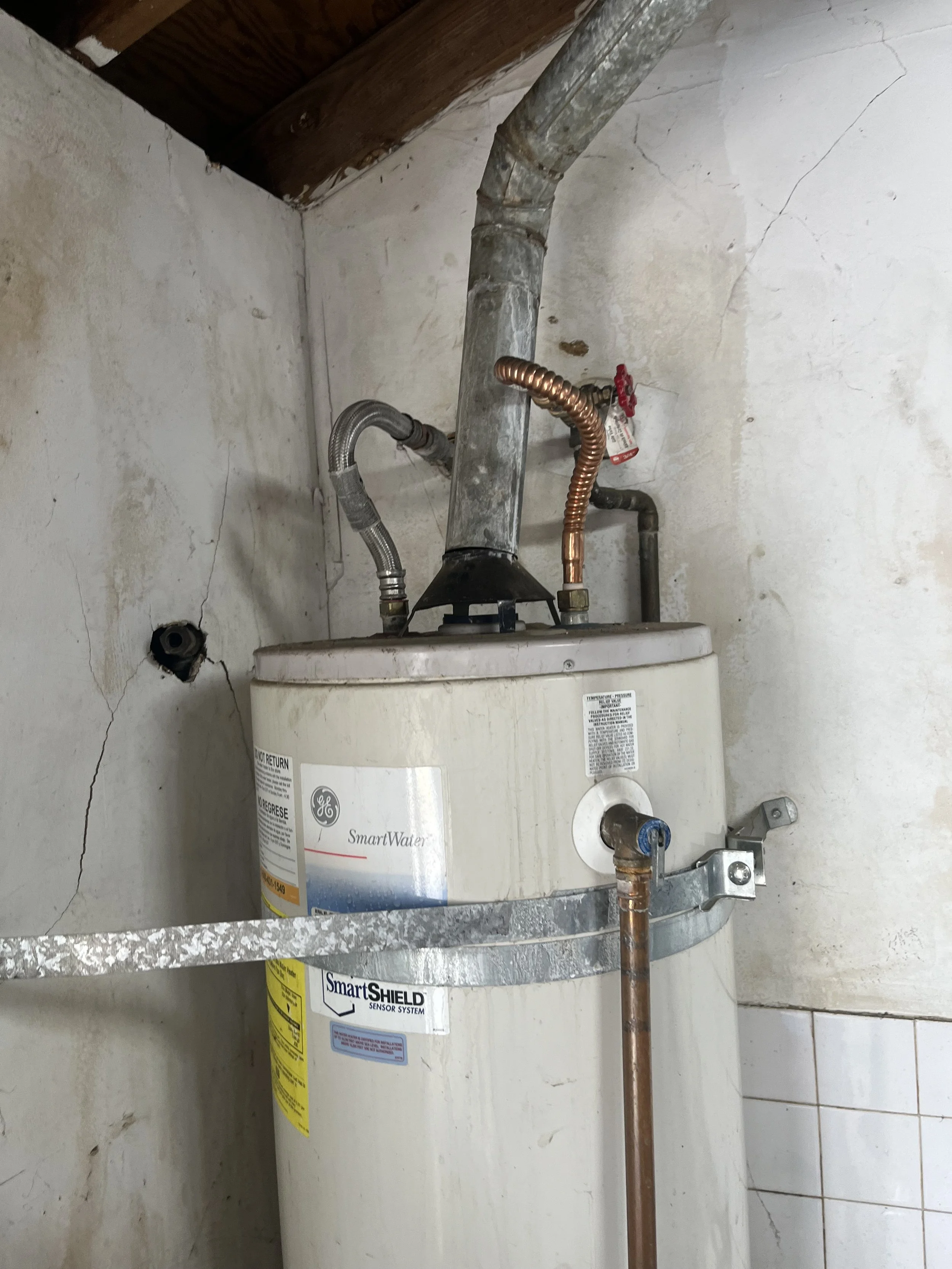
A water heater flush service is a preventive maintenance procedure that removes sediment, mineral buildup, and debris from the bottom of a tank-style water heater. Flushing improves heating efficiency, extends the appliance’s lifespan, reduces noise, and helps prevent corrosion and premature failure.
What the service includes
Inspection: Technician examines the water heater for leaks, corrosion, proper venting (for gas units), pressure-relief valve condition, and overall function.
Power/gas shutdown: Electric units are turned off at the breaker; gas units are set to pilot/off as required to safely perform the flush.
Draining the tank: A hose is attached to the drain valve and water is directed to a safe drain or outside area. The tank is partially or fully drained to remove loose sediment.
Flushing and agitation: Water is run through the tank to stir and remove settled minerals. In some cases the technician will remove the drain valve or use specialized flush equipment to clear stubborn buildup.
Valve and component check: The drain valve, temperature and pressure relief (T&P) valve, anode rod (if accessible), and inlet/outlet connections are inspected and replaced if needed.
Refill and restart: The tank is refilled, air is purged from the lines, and the unit is restored to normal operation. Final checks ensure proper water temperature and function.
Clean-up and recommendations: Technician cleans the work area and provides recommendations (e.g., replacing corroded anode rod, scheduling regular maintenance).
Benefits
Improved energy efficiency and lower utility bills
More consistent hot water temperatures
Quieter operation (less popping or rumbling)
Reduced risk of clogging in pipes and fixtures from mineral deposits
Longer water heater lifespan and delayed need for replacement
Early detection of leaks or failing components
How often to flush
Typical recommendation: once every 12 months for most households.
More frequent flushing (every 3–6 months) may be needed if you have very hard water, heavy sediment, or a high-demand household.
When to call a professional
If you’re unsure how to safely shut off power/gas and refill the tank
If the drain valve is clogged or leaks
If you hear excessive noise, see rusty water, or notice reduced hot water capacity
If the anode rod or other components need replacement
Safety and warranty notes
Follow manufacturer guidelines to avoid voiding warranties.
Gas units require caution around burners and vents; electric units require breaker shutdown.
A professional plumber can perform the flush safely and identify additional issues before they become major repairs.
Scheduling a regular water heater flush is a cost-effective maintenance step that preserves efficiency and helps avoid unexpected breakdowns.
A water heater flush service is a preventive maintenance procedure that removes sediment, mineral buildup, and debris from the bottom of a tank-style water heater. Flushing improves heating efficiency, extends the appliance’s lifespan, reduces noise, and helps prevent corrosion and premature failure.
What the service includes
Inspection: Technician examines the water heater for leaks, corrosion, proper venting (for gas units), pressure-relief valve condition, and overall function.
Power/gas shutdown: Electric units are turned off at the breaker; gas units are set to pilot/off as required to safely perform the flush.
Draining the tank: A hose is attached to the drain valve and water is directed to a safe drain or outside area. The tank is partially or fully drained to remove loose sediment.
Flushing and agitation: Water is run through the tank to stir and remove settled minerals. In some cases the technician will remove the drain valve or use specialized flush equipment to clear stubborn buildup.
Valve and component check: The drain valve, temperature and pressure relief (T&P) valve, anode rod (if accessible), and inlet/outlet connections are inspected and replaced if needed.
Refill and restart: The tank is refilled, air is purged from the lines, and the unit is restored to normal operation. Final checks ensure proper water temperature and function.
Clean-up and recommendations: Technician cleans the work area and provides recommendations (e.g., replacing corroded anode rod, scheduling regular maintenance).
Benefits
Improved energy efficiency and lower utility bills
More consistent hot water temperatures
Quieter operation (less popping or rumbling)
Reduced risk of clogging in pipes and fixtures from mineral deposits
Longer water heater lifespan and delayed need for replacement
Early detection of leaks or failing components
How often to flush
Typical recommendation: once every 12 months for most households.
More frequent flushing (every 3–6 months) may be needed if you have very hard water, heavy sediment, or a high-demand household.
When to call a professional
If you’re unsure how to safely shut off power/gas and refill the tank
If the drain valve is clogged or leaks
If you hear excessive noise, see rusty water, or notice reduced hot water capacity
If the anode rod or other components need replacement
Safety and warranty notes
Follow manufacturer guidelines to avoid voiding warranties.
Gas units require caution around burners and vents; electric units require breaker shutdown.
A professional plumber can perform the flush safely and identify additional issues before they become major repairs.
Scheduling a regular water heater flush is a cost-effective maintenance step that preserves efficiency and helps avoid unexpected breakdowns.