

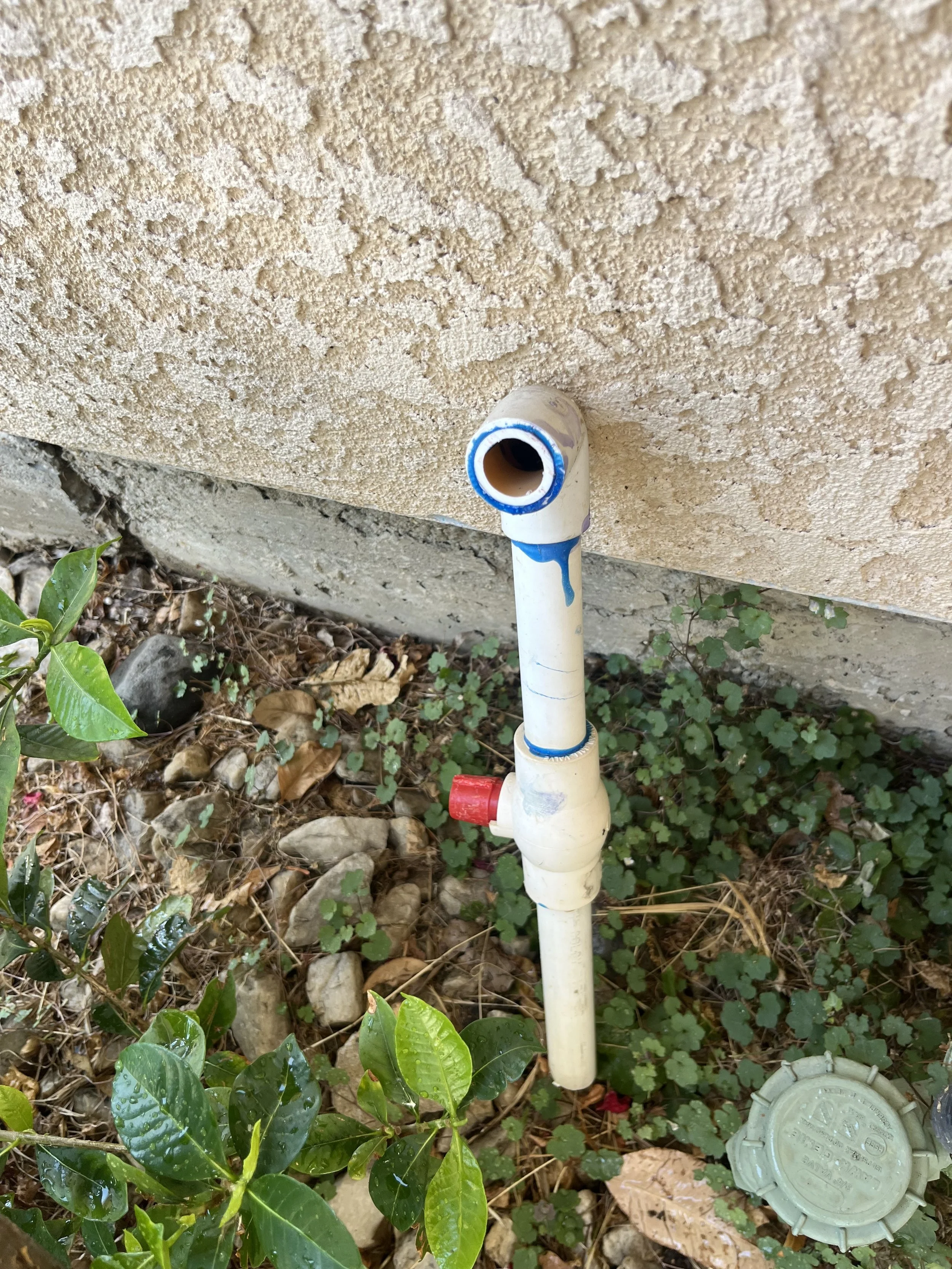
 Image 1 of 5
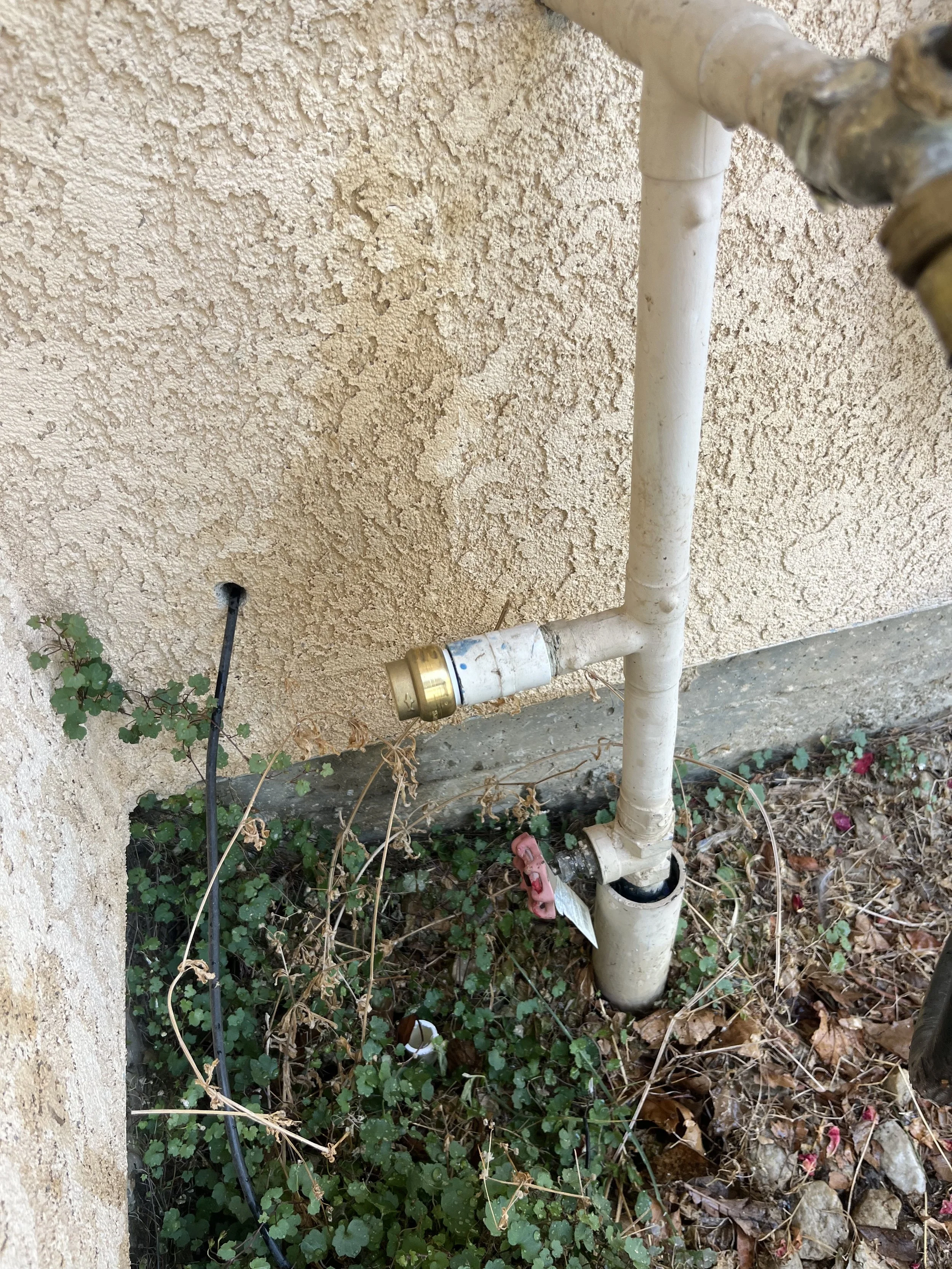 Image 2 of 5
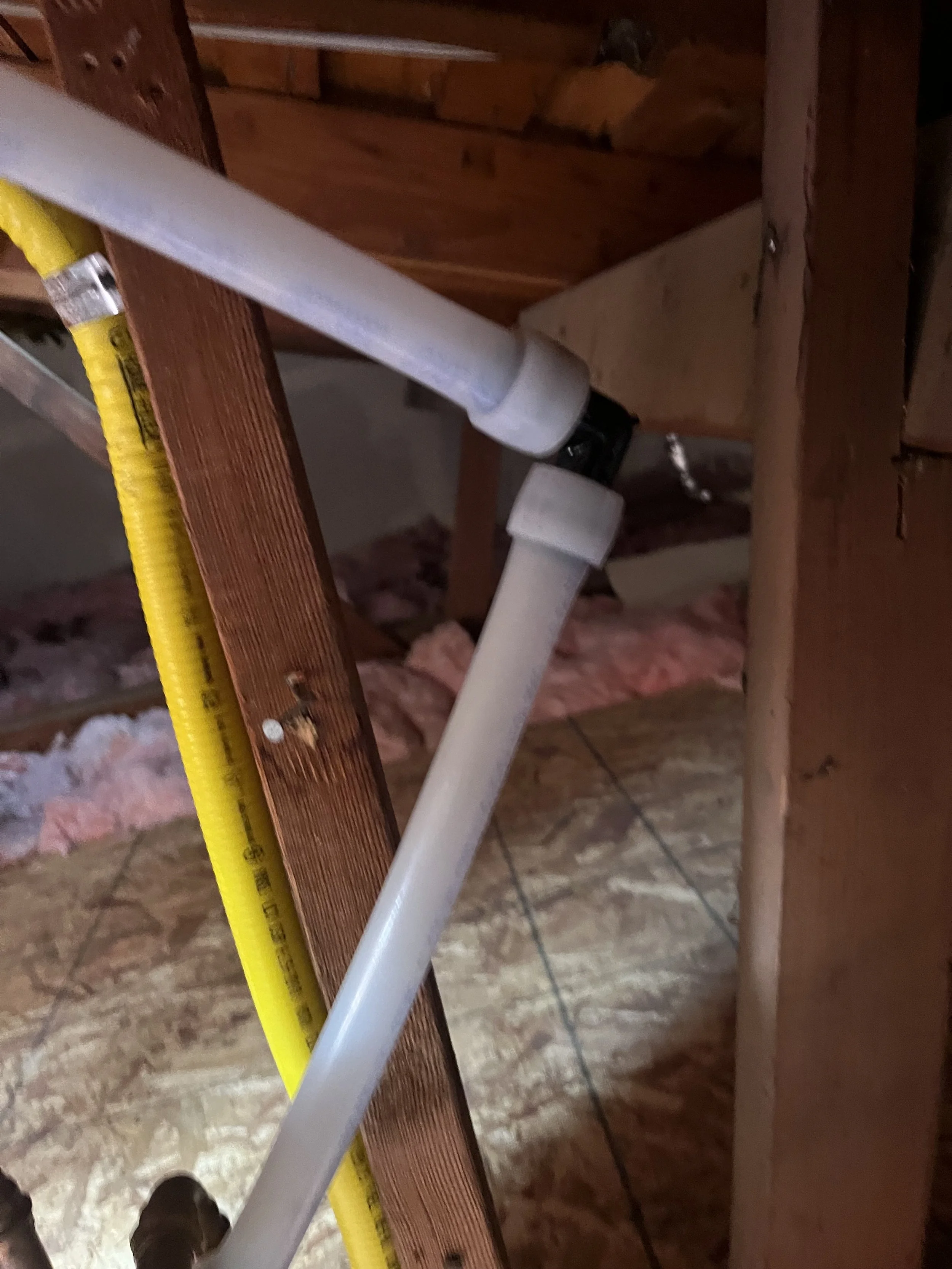 Image 3 of 5
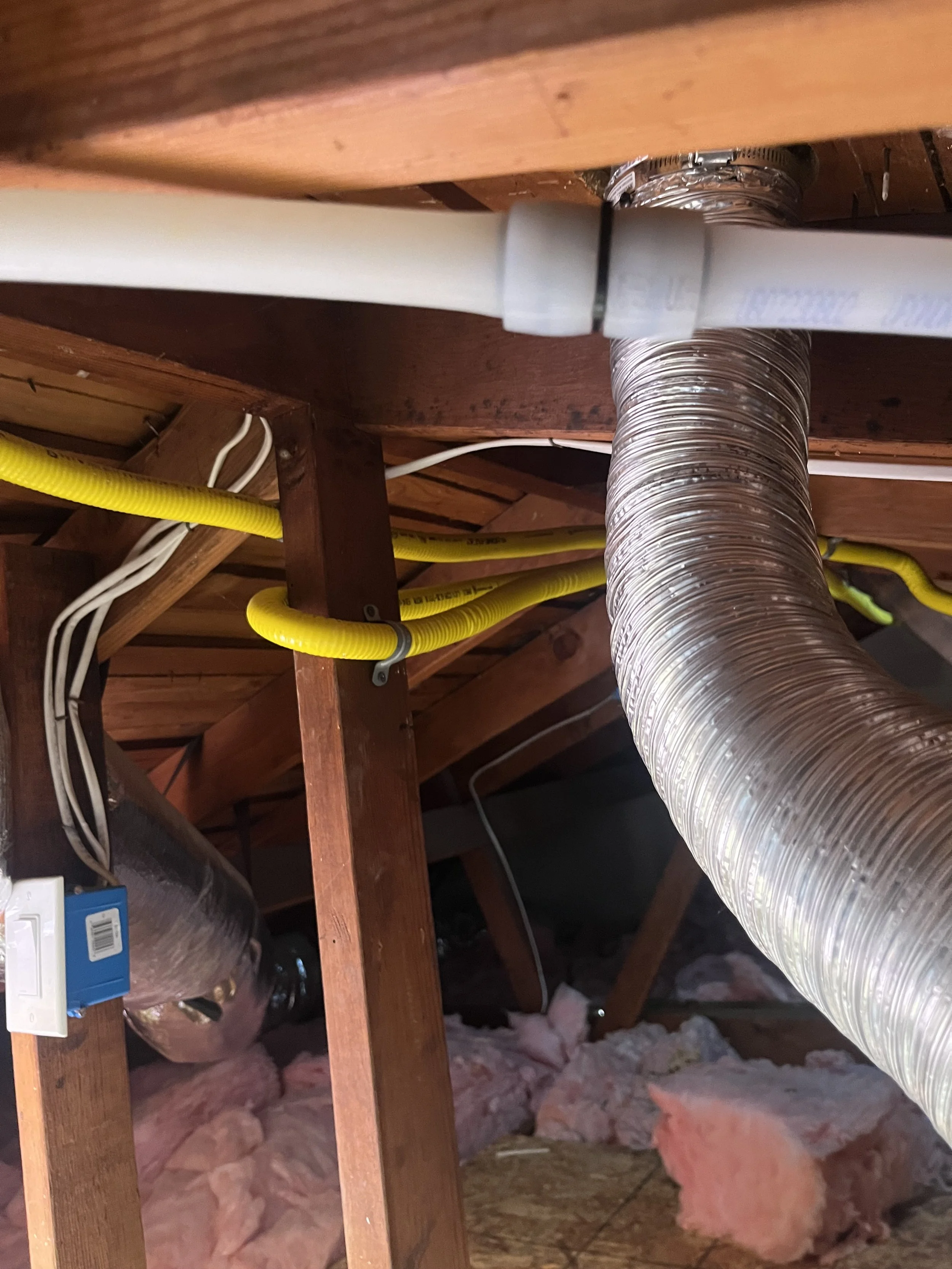 Image 4 of 5
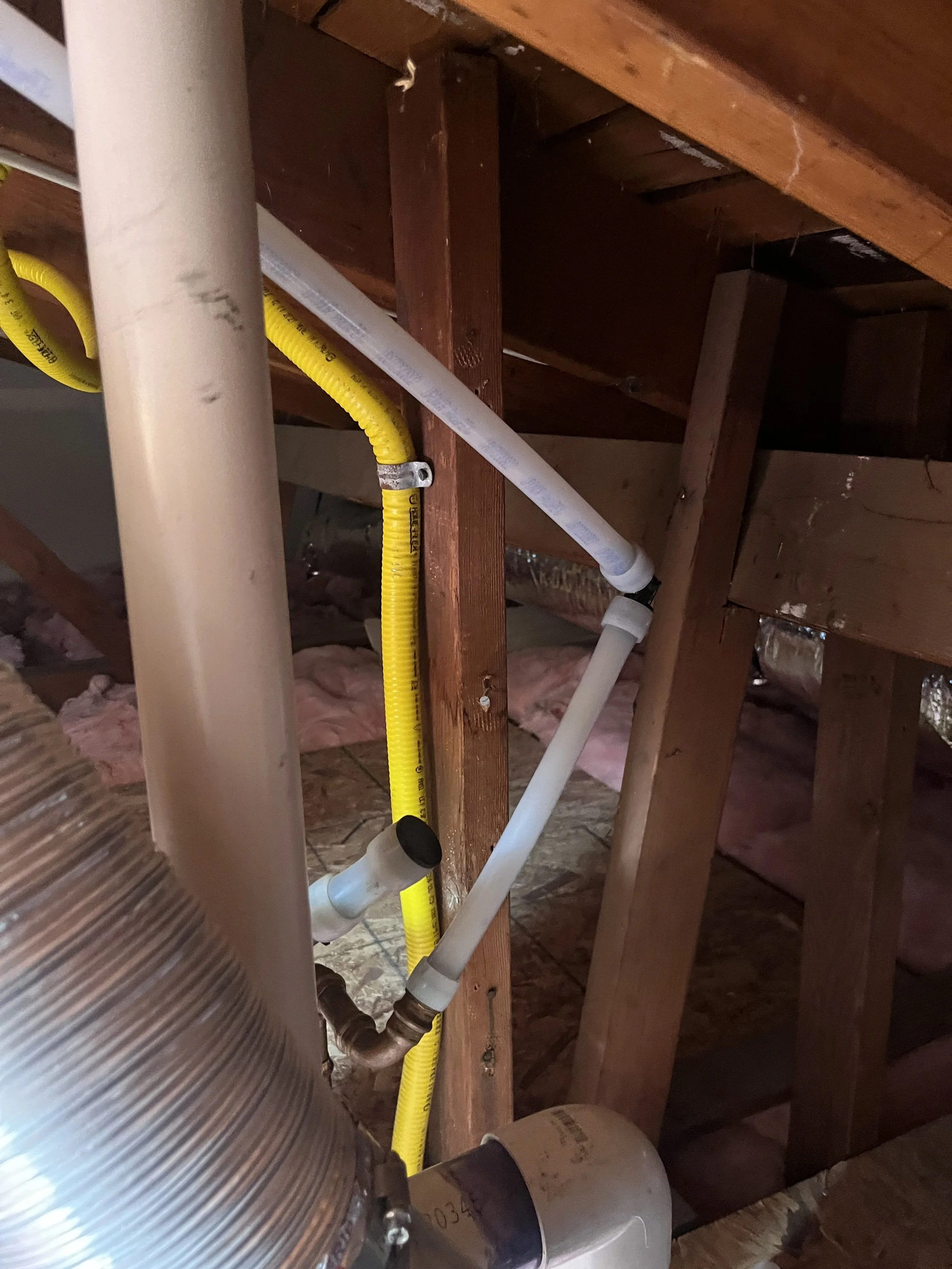 Image 5 of 5
House Plumbing Inspection
A comprehensive house plumbing inspection identifies current issues, prevents future problems, and ensures your system meets safety and efficiency standards. Whether preparing to buy or sell a home, performing routine maintenance, or troubleshooting recurring issues, a professional inspection gives you a clear picture of your plumbing’s condition.
What a Thorough Inspection Covers
Water supply lines: Check for leaks, corrosion, improper materials (e.g., galvanized steel), pressure issues, and proper shutoff valve operation.
Drain, waste, and vent (DWV) system: Inspect drains for blockages, slow drainage, signs of backups, proper venting, and odors indicating sewer gas.
Fixtures and appliances: Test toilets, faucets, showers, tubs, and water-using appliances (dishwasher, washing machine, water heater) for leaks, proper operation, and correct installation.
Water heater: Assess age, condition, temperature/pressure relief valve, tank integrity (for tank heaters), pilot/burner operation (for gas), and signs of sediment buildup or inefficiency.
Sump pump and sewage ejector: Verify operation, float switch function, discharge routing, and backup systems where present.
Outdoor plumbing: Inspect irrigation connections, hose bibs, exterior spigots for leaks or freeze damage, and visible sewer cleanouts.
Main sewer line: Check for signs of blockages, root intrusion, bellied pipe sections, or prior repairs—camera inspection recommended when indicated.
Water quality and pressure: Measure static and dynamic pressure, look for signs of hard water, and recommend testing for contaminants if needed.
Valves and shutoffs: Confirm accessibility and operation of main shutoff and branch shutoffs; recommend replacements for seized or leaking valves.
Visible piping materials and routing: Note materials (copper, PEX, CPVC, PVC, cast iron), evaluate proper support and insulation, and identify code or safety concerns.
Gas plumbing: Inspect gas lines and connections to appliances for leaks and correct venting (when offered by a qualified technician).
Signs an Inspection Is Urgent
Persistent or hidden leaks, especially inside walls or ceilings
Sewage odors or repeated drain backups
Rapidly increasing water bills
Discolored water or rust flakes
Water heater issues (no hot water, rumbling noises, visible corrosion)
Low or fluctuating water pressure throughout the house
Inspection Methods and Tools
Visual inspection of exposed piping, fixtures, and appliances
Pressure testing and meter readings
Dye tests for toilet leaks
Thermal imaging to locate hidden leaks or insulation gaps
Video camera sewer inspection for main lines and deep clogs
Water sampling for quality testing
Smoke or gas leak detection for gas lines
Typical Inspection Deliverables
Written report summarizing findings, prioritized by safety and urgency
Photos or video clips of problem areas (e.g., camera sewer footage)
Cost estimates for recommended repairs or replacements
Maintenance recommendations and timelines
Optional follow-up inspection after repairs
DIY Prep for an Inspector
Clear access to crawlspaces, basements, and utility rooms
Provide access to the main water shutoff and water heater
Note any past plumbing issues, repairs, or warranties
Make a list of problem areas (slow drains, noises, odors) and when they started
When to Hire a Licensed Plumber
Evidence of gas leaks, sewage backups, structural water damage, or major sewer line problems
Water heater replacement or complicated appliance connections
Remodeling or adding new plumbing fixtures
When inspection reveals corroded supply mains or systemic pipe failures
Benefits of Regular Inspections
Early detection of leaks and corrosion saves on repair costs and reduces water damage risk
Improved water efficiency and lower utility bills
Prolonged life for appliances and piping
Safer home environment with reduced risk of mold and sewer gas exposure
Documentation that supports home sales and insurance claims
If you want, we can schedule a professional house plumbing inspection that includes camera sewer evaluation, water pressure testing, and a full written report with repair estimates tailored to your property.
House Plumbing Inspection
A comprehensive house plumbing inspection identifies current issues, prevents future problems, and ensures your system meets safety and efficiency standards. Whether preparing to buy or sell a home, performing routine maintenance, or troubleshooting recurring issues, a professional inspection gives you a clear picture of your plumbing’s condition.
What a Thorough Inspection Covers
Water supply lines: Check for leaks, corrosion, improper materials (e.g., galvanized steel), pressure issues, and proper shutoff valve operation.
Drain, waste, and vent (DWV) system: Inspect drains for blockages, slow drainage, signs of backups, proper venting, and odors indicating sewer gas.
Fixtures and appliances: Test toilets, faucets, showers, tubs, and water-using appliances (dishwasher, washing machine, water heater) for leaks, proper operation, and correct installation.
Water heater: Assess age, condition, temperature/pressure relief valve, tank integrity (for tank heaters), pilot/burner operation (for gas), and signs of sediment buildup or inefficiency.
Sump pump and sewage ejector: Verify operation, float switch function, discharge routing, and backup systems where present.
Outdoor plumbing: Inspect irrigation connections, hose bibs, exterior spigots for leaks or freeze damage, and visible sewer cleanouts.
Main sewer line: Check for signs of blockages, root intrusion, bellied pipe sections, or prior repairs—camera inspection recommended when indicated.
Water quality and pressure: Measure static and dynamic pressure, look for signs of hard water, and recommend testing for contaminants if needed.
Valves and shutoffs: Confirm accessibility and operation of main shutoff and branch shutoffs; recommend replacements for seized or leaking valves.
Visible piping materials and routing: Note materials (copper, PEX, CPVC, PVC, cast iron), evaluate proper support and insulation, and identify code or safety concerns.
Gas plumbing: Inspect gas lines and connections to appliances for leaks and correct venting (when offered by a qualified technician).
Signs an Inspection Is Urgent
Persistent or hidden leaks, especially inside walls or ceilings
Sewage odors or repeated drain backups
Rapidly increasing water bills
Discolored water or rust flakes
Water heater issues (no hot water, rumbling noises, visible corrosion)
Low or fluctuating water pressure throughout the house
Inspection Methods and Tools
Visual inspection of exposed piping, fixtures, and appliances
Pressure testing and meter readings
Dye tests for toilet leaks
Thermal imaging to locate hidden leaks or insulation gaps
Video camera sewer inspection for main lines and deep clogs
Water sampling for quality testing
Smoke or gas leak detection for gas lines
Typical Inspection Deliverables
Written report summarizing findings, prioritized by safety and urgency
Photos or video clips of problem areas (e.g., camera sewer footage)
Cost estimates for recommended repairs or replacements
Maintenance recommendations and timelines
Optional follow-up inspection after repairs
DIY Prep for an Inspector
Clear access to crawlspaces, basements, and utility rooms
Provide access to the main water shutoff and water heater
Note any past plumbing issues, repairs, or warranties
Make a list of problem areas (slow drains, noises, odors) and when they started
When to Hire a Licensed Plumber
Evidence of gas leaks, sewage backups, structural water damage, or major sewer line problems
Water heater replacement or complicated appliance connections
Remodeling or adding new plumbing fixtures
When inspection reveals corroded supply mains or systemic pipe failures
Benefits of Regular Inspections
Early detection of leaks and corrosion saves on repair costs and reduces water damage risk
Improved water efficiency and lower utility bills
Prolonged life for appliances and piping
Safer home environment with reduced risk of mold and sewer gas exposure
Documentation that supports home sales and insurance claims
If you want, we can schedule a professional house plumbing inspection that includes camera sewer evaluation, water pressure testing, and a full written report with repair estimates tailored to your property.